Disruption in Nigeria’s commercial capital, Lagos on the first working day of a ban on motorbike- and tricycle-taxis.
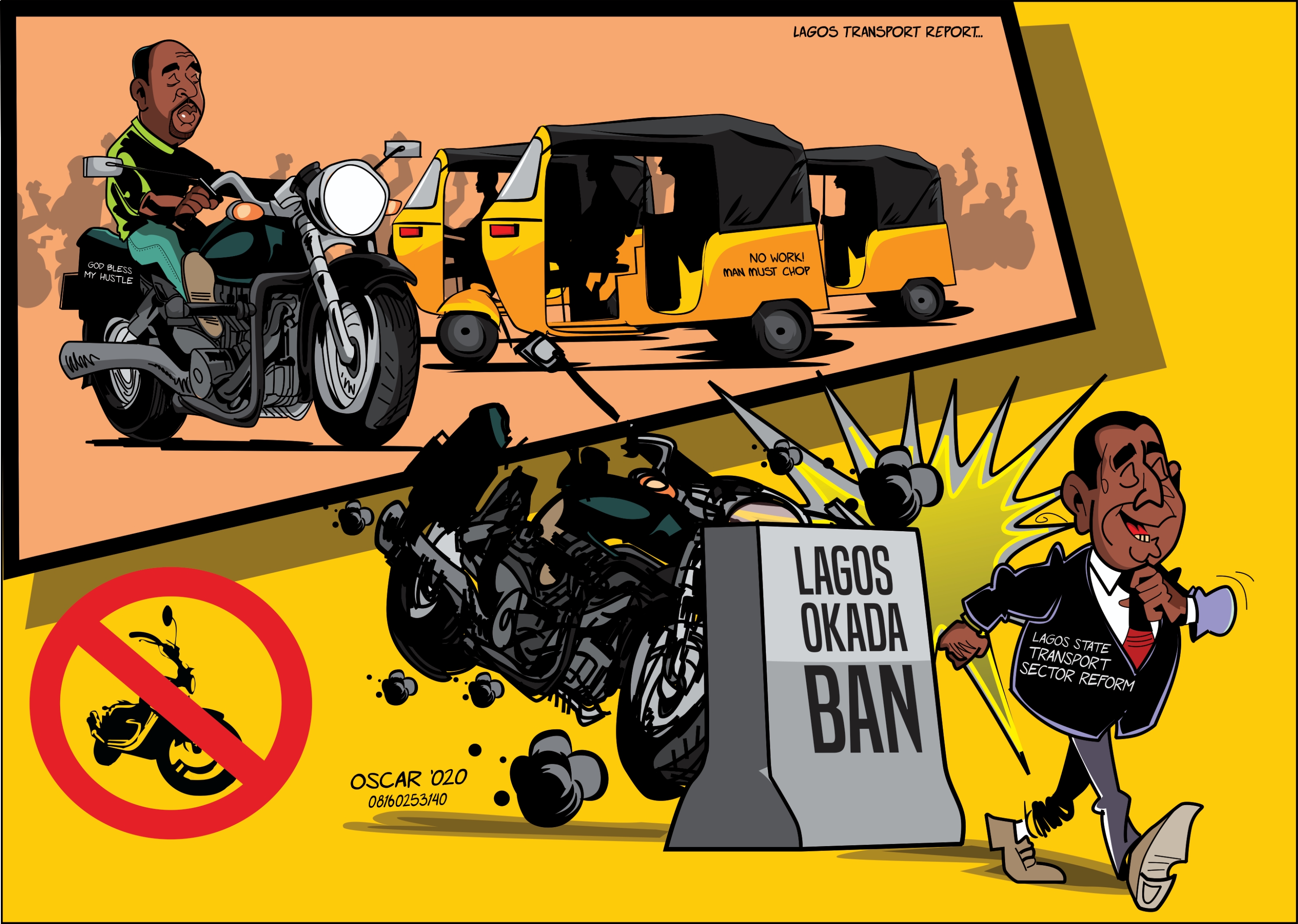
According to the Lagos State authorities said the ban was needed because of safety concerns.They said the motorbike taxis, known as okadas, and tricycles, called kekes, caused “death and disorderliness“. It was also said that commercial motorbikes are the most common form of public transport in the city of at least 20 million people, which is notorious for traffic jams and has, aided by security agencies who have been accused of going beyond their remit.
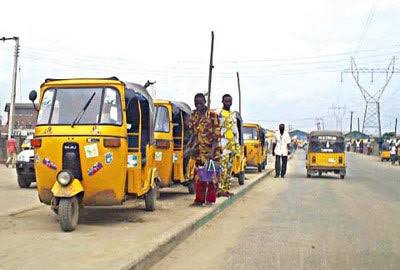
The ban which may include private motorbikes and motorcycles used by delivery companies tabled there were complaints that the police were arresting them.A few commercial dissenters were arrested over the weekend, but there was near total compliance with the ban on Monday, the first working day since it took effect.
The ban affects the city’s main business areas, such as Ikoyi, Ikeja, Victoria Island, Surulere, and the bridges and highways which connect the different bits of the coastal city. Okadas and kekes are still allowed in some of residential areas of the state, especially where many low-class Lagosians live.
PEOPLE’S REACTIONS ON THE BAN
Lagos residents have expressed displeasure over difficulty in movement since February 1, 2020 when the ban on Okada and Keke came into effect. The decision has not gone down well with commuters, who feel the decision is elitist and targeted at the poor.
As many sweaty commuters waited at the bus stations for unavailable taxis and buses on Monday, they wondered why the government did not provide alternatives before placing the ban. They plied the streets and hard-to-reach areas where buses and taxis are unable to go.

Some who stood in approval of the ban are private cars owners who had a difficult relationship with the two- and three-wheelers. Anyone who has driven in Lagos, or in any of the Nigerian cities where okadas and kekes operate, will know how frustrating it is to share the same road with them.
Another group who will approve of the ban are the drivers of yellow buses and taxis, who experienced a surge in customers on Monday.
One of the bus drivers said, “The ban is good, those people [keke and okada riders did not obey rules.”
Another source reported that “most of these two-wheeler, three-wheeler vehicles are managed are not professional certified thereby causing some of the major road accidents.”
The Human Rights lawyer and National President of Revolutionary Lawyer’s Forum, Mr Tope Akinyode, dragged the Lagos State governor, Speaker of the House of Assembly and Attorney-General of Lagos to court over the ban of commercial tricycles and motorcycles. Challenging the ban in court, Akinyode said the provisions of the law and its execution are a violation of the citizen’s fundamental human right to freedom of movement and to own moveable properties as enshrined under Sections 41 and 44 of the constitution.
He said, “It’s an insensitive piece of legislation which seeks to deprive citizens their fundamental rights to move without restraint or purchase moveable properties of their choices which the constitution allows.
“If the government feels a need to regulate vehicular movement, it should go to Apapa and remove the trailers which have turned that axis to a parking lot and are constituting monstrous agony to the people of Lagos State.”
The notorious traffic in Lagos meant that commuters preferred the motorcycles for their ability to nip in and out of tight spots and get them to their destinations on time.
There are reports of fare hikes in some parts of the state, while some drivers have added more stops and routes to accommodate passengers’ needs.
There was a small protest in the Ijora area of Lagos, where a handful of okada riders burnt tyres and blocked the main road. But they were dispersed by security forces, who had earlier warned that defaulters would be dealt with.
There was also a protest on Friday against the ban as riders who belonged to ride-hailing companies called for better regulation rather than an outright ban.
And as it is now, commercial motorcycles and tricycles have been pushed to the fringes of the city as they are still allowed in certain parts, but it is away from the lucrative business areas bustling with passengers.
Thousands of keke and okada riders are likely to lose their livelihoods in a city where unemployment is widespread.

THE GOVRNMENT’S REPLY
The state government said it was “not unaware that enforcing this directive may lead to some job losses” and that the governor would announce measures to tackle the effects of the order.
A statement on Sunday also noted the “little discomfort experienced by commuters on some routes due to the absence of motorcycles and tricycles” and added that it will not last as alternatives are being rolled out.
The public bus service said it had deployed 65 buses along major routes and the government announced additional ferry services.

 OS News Articles